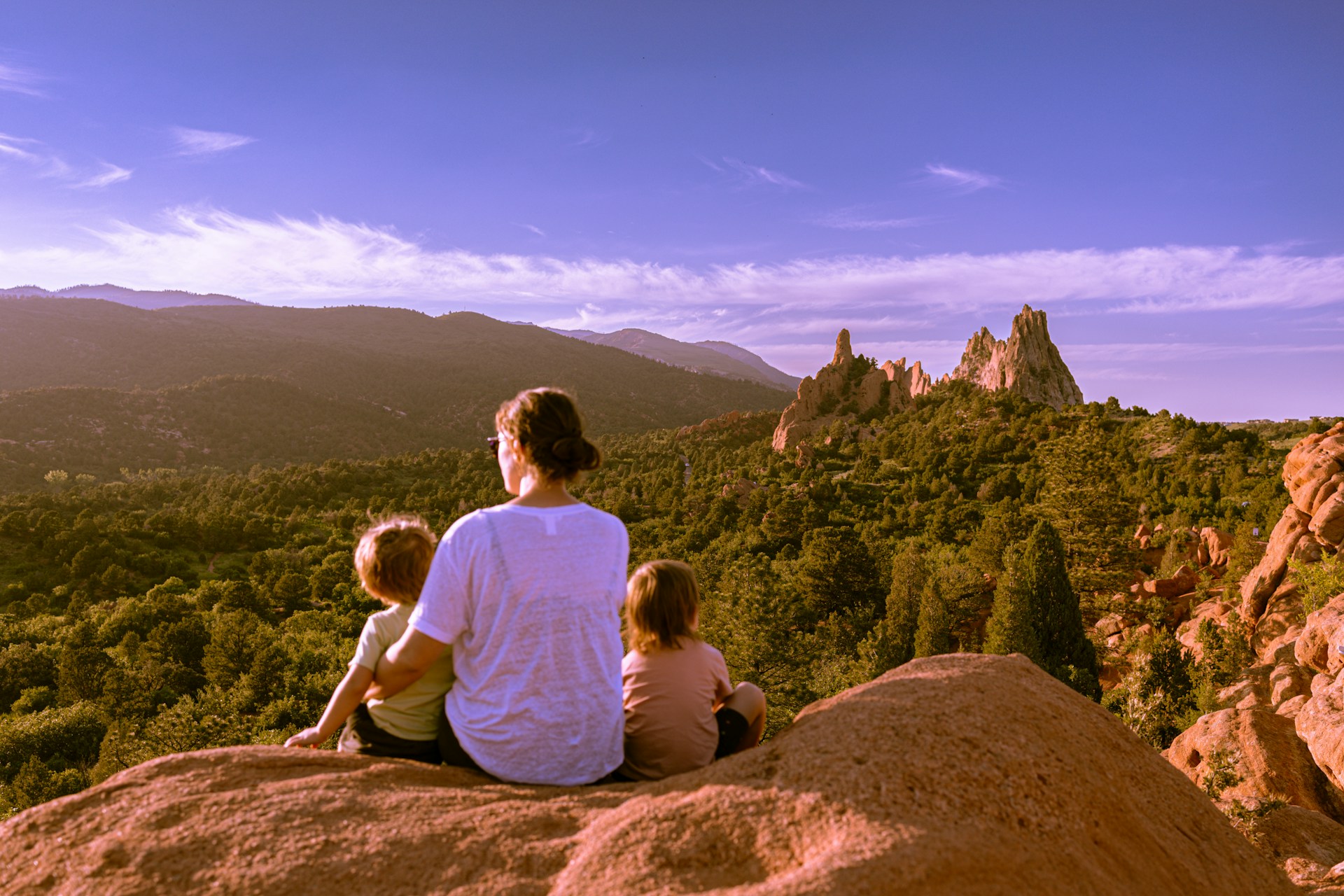
Outdoor recreation gives families an easy way to spend focused time together, stay active and discover new places.
Trips don’t need to involve long drives or ambitious routes either. A picnic beside a local lake, an afternoon cycling on a traffic-free trail or two nights at a campsite can all feel like a proper change of pace.
The best family adventures suit the ages, energy levels and interests of everyone involved. A flexible plan, suitable clothing and a comfortable place to stay will help you enjoy the outdoors without turning the trip into a complicated expedition.
Benefits of Outdoor Family Time
Time outdoors creates natural opportunities for movement. Walking through woodland, paddling at a beach and playing games in a park all keep children active without making exercise feel like a formal task.
Adults benefit too, especially when outdoor time replaces another sedentary afternoon at home.
Shared activities also encourage conversation. Children may chat more freely while walking beside you than they do when sitting face-to-face, while small tasks such as reading a trail marker or preparing lunch give everyone a useful role.
These experiences can build confidence as children learn to manage uneven paths, changing weather and unfamiliar surroundings with support.
Try to choose an activity that allows for different speeds. A short circular walk with picnic stops often works better for a mixed-age group than a long linear route. This guide to healthy family activities offers further ideas for getting everybody moving together.
Most importantly, keep the mood relaxed. Reaching the end of a route matters less than returning home with children who want to go outside again.
Equipping for Adventure
Start with clothing that can handle a change in temperature. Light layers, waterproof outerwear and comfortable footwear are useful across most British seasons.
Pack spare socks and a complete change of clothes for younger children, even when the forecast looks settled. Puddles have a remarkable ability to appear wherever families go.
A small day bag should include drinking water, snacks, sun protection, a basic first aid kit and any personal medication. Add a portable charger if you’ll use your phone for maps. Download your route before leaving, as reception can be unreliable in rural areas.
Families planning frequent breaks may also consider having their own mobile accommodation. Browsing touring caravans for sale can help you compare used models with different berth numbers and layouts, including options available at trade prices with nationwide delivery. Think carefully about sleeping arrangements, storage space and where everyone will sit on wet evenings.
Avoid buying every accessory at once. Borrow equipment for an early trip where possible, then note which items genuinely improve comfort or solve a recurring problem.
Finding Your Perfect Base Camp
Your base affects the rhythm of the whole break. Families with toddlers may appreciate a site close to toilets, washing facilities and a safe play area.
Older children might prefer direct access to cycle paths, woodland trails or open water activities run by qualified local providers.
Check travel times before booking. A beautiful site can lose some of its appeal if every activity requires an hour in the car.
Choose a base with at least two or three options nearby, including one suitable for poor weather. A nature centre, indoor swimming pool or local museum can rescue a very wet afternoon.
Look closely at pitch descriptions and site maps too. Level ground makes sleeping and outdoor meals easier, while a pitch away from busy entrances may be quieter at bedtime. If this is your first overnight outing, a short family camping break is a manageable way to test routines before committing to a full week.
Keep the first evening simple. Arrive in daylight, prepare an easy meal and give children time to explore the immediate area before settling down.
Exploring Nature’s Playground
Plan one main activity per day and leave room for spontaneous discoveries. Children often spend longer than expected watching insects, building dens with fallen branches or skimming stones, so a tightly packed schedule can create unnecessary pressure. Allowing an extra hour also makes snack stops and tired legs much easier to manage.
Use maps and visitor information to find routes with clear distances, surfaces and difficulty ratings. For a family with primary-school children, a three-mile trail with regular stopping points may provide plenty of adventure.
Check access rules, opening times and weather conditions on the day, then tell someone where you expect to be if you’re visiting a remote area.
Outdoor games can add interest to familiar places. Make a simple colour hunt, count different bird calls or give each child a small notebook for sketches. Practical advice on more family outdoor time can also help turn occasional outings into a regular habit.
Encourage children to care for the places they visit. Stay on marked paths where requested, take litter home and observe wildlife from a respectful distance.
A successful family adventure may end with muddy shoes, an unfinished route and everyone asleep earlier than usual. Keep a note of what worked, from the most popular snacks to the ideal walking distance, as those small details will make your next outdoor break easier and more enjoyable.