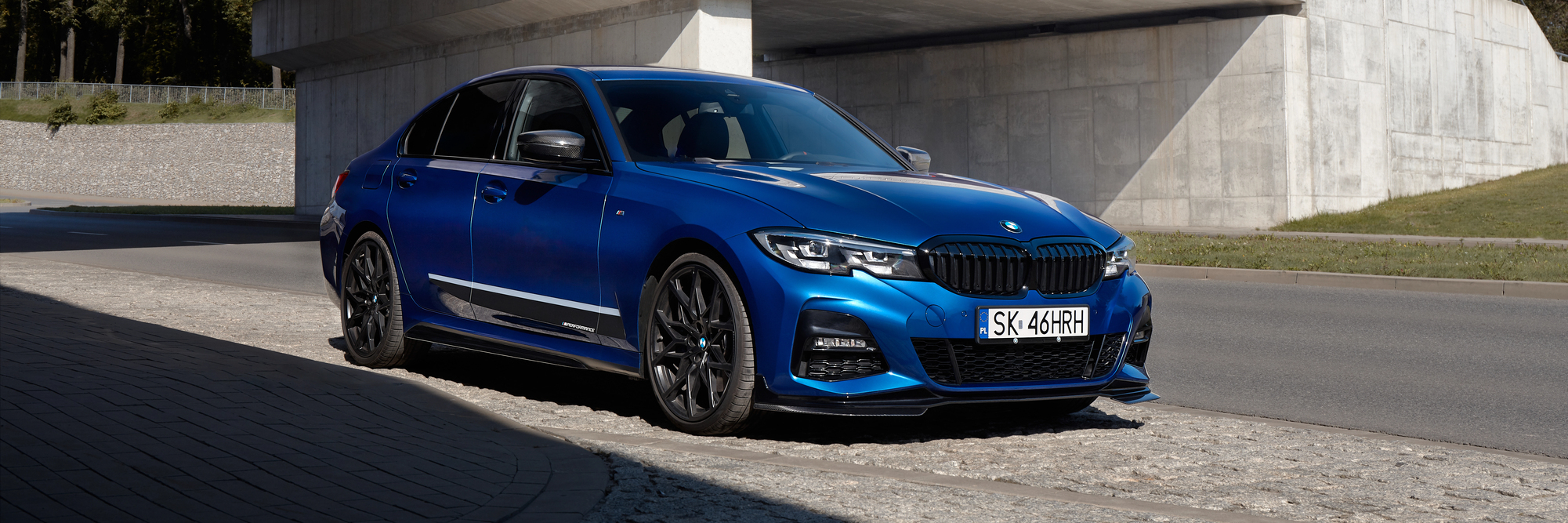
One of the things about BMW ownership that catches people out is how composed the car remains even when something isn’t quite right.
The ride quality, the chassis tuning, the way it absorbs the road, all of it can mask problems that would announce themselves far more obviously on a softer car.
Tyres are a particularly good example of this. By the time a tyre problem feels dramatic on a BMW, it’s usually been developing quietly for a while.
The good news is that most tyre issues give signals long before they become urgent. Knowing what to look for means catching things early; which is easier, cheaper, and considerably less stressful than dealing with them when they’ve had longer to develop.
A BMW can feel noticeably different once its tyres begin to lose their best condition, so Magowan Tyres is worth considering when BMW tyres need replacing. Here’s what to pay attention to.
The Car Feels Slightly Different Without Any Obvious Reason
This is the sign that’s easiest to miss because it happens so gradually. A BMW that once felt planted and precise starts to feel slightly less so, a vague quality to the steering, a sense that the car isn’t quite as settled as it was, a response to inputs that’s a fraction less immediate than it used to be.
None of this produces a warning light or a dramatic symptom. It’s the kind of change that’s easy to attribute to the road surface or the conditions rather than the car itself. But if the car has been feeling subtly different for a few weeks, the tyres are one of the first things worth checking; tread depth, pressure, and whether any one tyre is looking noticeably more worn than the others.
Uneven Wear Across the Tyres
Running a hand across the tread surface of each tyre reveals things that aren’t obvious at a glance. Feathering where the tread blocks feel sharp on one edge and smooth on the other, is a sign of alignment issues. Wear that’s noticeably heavier on the inner or outer edge suggests the wheel isn’t sitting at the correct angle.
On a BMW, where the suspension geometry is set to precise tolerances, alignment can shift after a pothole impact or a kerb hit without producing any obviously dramatic symptom. The steering may still feel acceptable. The car may still drive well. But the tyres are quietly developing a wear pattern that’s shortening their life and the alignment issue, if it’s not addressed before fitting new BMW tyres, will repeat exactly the same pattern on the replacement set.
A New Vibration at Certain Speeds
A vibration through the steering wheel or through the seat that appears at a specific speed and either stays or changes as speed varies, is worth taking seriously. It could be wheel balance, it could be a tyre with flat spotting from being parked in one position for a long time, or it could indicate internal tyre damage from an impact that didn’t produce any immediate visible sign.
BMWs are generally smooth enough that a new vibration stands out more than it might on a less refined car. That makes it easier to spot early and worth acting on instead of choosing to watch it for a few more weeks.
The Tread Is Lower Than You’d Expect
BMW tyres on a car that is being used properly; motorway miles, varied road surfaces, a full family load, can get to lower tread depths than the odometer might suggest. The legal minimum is 1.6mm but performance starts to noticeably deteriorate before that. Tread depth plays a big part in how efficiently water is channelled away from the contact patch, particularly in wet weather.
The 20p test is a quick at-home check. Press a coin into the main tread groove, if the outer band is visible, the tread is getting low. On a BMW used for the kind of driving it’s designed for, acting at 3mm rather than waiting for 1.6mm makes a meaningful difference to wet weather grip and braking distances.
Sidewall Damage Gets Easily Overlooked
The tread gets most of the attention, but the sidewalls are worth a specific check, especially after any major impact. If the sidewall has a bulge, this indicates internal structural damage, usually from hitting a pothole or a sharp kerb, and the tyre should be replaced, regardless of how much tread is left. It won’t sort itself out, and a tyre in that condition is not one to take on a motorway or a longer family trip.
Tyres that are ageing can develop minor cracks along the sidewall after a period of time, even on a car that has not covered particularly high mileage. Rubber deteriorates with age, irrespective of use, and tyres that are older may look fine on the surface but not perform as they should under the demands a BMW puts on them.
The Car Takes Longer to Stop
This one is harder to pinpoint exactly but drivers who know their car well tend to notice if something has changed in the way it brakes. A slightly longer stopping distance, slightly less assured wet braking, these can be indicators that tyres have worn beyond their best performance window.
For a car carrying a family on motorways and longer journeys, that margin matters. BMW tyres that are in good condition and correctly specified for the car are a meaningful part of why the car handles as well as it does. Letting them deteriorate gradually costs more than the tyres themselves when the full picture is considered.
BMW tyre problems don’t tend to happen in one big dramatic event. They build up quietly, with slow wear and small changes in how the car drives. It is the awareness of those changes, and the action on them while they are small, that keeps the car driving the way it should.