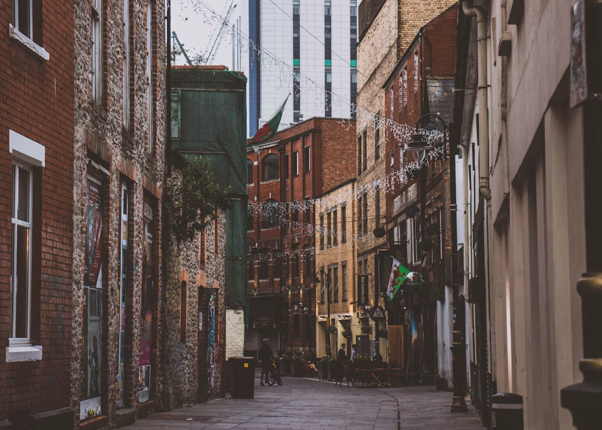
There is something comforting about visiting a place you already know. You remember the streets, recognise familiar buildings and might even have a favourite café you want to revisit. You arrive expecting to feel the same excitement you experienced the first time.
Then something surprises you.
The destination looks familiar, but the experience feels different. Perhaps the streets seem busier, the favourite restaurant has closed, or the view that once took your breath away no longer feels quite as extraordinary. Sometimes, nothing obvious has changed at all. You have simply returned with a different outlook on life.
That is part of what makes travelling to a familiar destination so interesting. You are not just revisiting a place. You are seeing it through the eyes of the person you have become.
Familiar Places Reveal Something New
On a first visit, it is easy to get caught up in the main attractions. You want to see the famous landmarks, visit popular restaurants and take photographs of everything worth remembering.
Returning removes some of that pressure.
You already know which attractions you enjoyed, so there is more room to explore the quieter parts of a destination. A small market you overlooked before might turn out to be a highlight. A walk through a residential neighbourhood could reveal more about local life than another afternoon spent in a crowded tourist area.
Familiarity can make travel feel less rushed. Instead of trying to see everything, you can spend more time enjoying the things that genuinely interest you.
You Change, Even When a Place Stays the Same
Think about somewhere you loved visiting several years ago. Would you enjoy it in exactly the same way today?
Perhaps you travelled there with friends when you had plenty of free time. Now you might be visiting with family, travelling as a couple or taking a much-needed break from work. Your interests, priorities and budget may have changed along the way.
These differences can influence how you experience a destination.
A lively nightlife district might once have been the main attraction, while today you would rather find a quiet restaurant and enjoy a long meal. A packed sightseeing schedule may have seemed exciting before, but a slower holiday might now feel much more rewarding.
Neither preference is better than the other. They simply reflect different stages of life.
Local Businesses Become Part of the Memory
Sometimes, it is the everyday details that make a destination memorable.
You might remember a friendly shopkeeper, a bakery you visited every morning or a small business that made you feel welcome. These places may not appear in travel guides, but they can become part of your personal connection to a location.
Returning gives you the chance to notice how the local area has evolved. New cafés might have opened, familiar shops may have changed hands, and old favourites could still be serving their regular customers.
Even outside traditional holiday destinations, familiar local businesses can become part of what makes a place feel recognisable. Someone returning to Cardiff, for example, might notice familiar neighbourhood services, including barbers Cathays, while exploring the area again.
These small observations help make a return visit feel personal. The destination is more than a collection of attractions. It is a place where everyday life continues between visits.
Memories Can Make the Past Seem Better
Travel memories have a curious quality. Over time, the best moments often become easier to recall than the inconveniences that came with them.
You might remember the beautiful sunset but forget the long wait for a table beforehand. The beach holiday stays in your mind, while the delayed flight becomes little more than a minor detail in the story you tell afterwards.
This can create high expectations for a return trip.
You may hope to recreate a particular feeling, only to discover that the experience does not unfold in quite the same way. That does not mean the destination has lost its appeal. It means memories and real experiences are different things.
Rather than comparing every moment with the past, give the new visit room to develop on its own terms.
Destinations Change, Too
Personal growth is only one part of the picture. Places change while we are away.
Restaurants close, new businesses open, public spaces are renovated and once-quiet neighbourhoods become popular. Even small changes can alter the atmosphere of a place you remember well.
Sometimes these developments are disappointing. You might return hoping to visit a particular restaurant, only to find that it no longer exists.
Other changes can make the experience better than expected. A new walking route, an independent shop or a recently opened museum might become a favourite you never knew you were missing.
Approaching a destination with curiosity makes these discoveries easier to appreciate.
Returning Can Make Travel More Relaxing
There is a practical advantage to revisiting somewhere, too. You already have some idea of what to expect.
You might know how to get from the airport to your accommodation, which areas are convenient to explore on foot and where to find a decent meal without spending hours researching options.
That familiarity can reduce the stress of planning.
It may also help you spend your time and money more thoughtfully. Rather than booking every available excursion, you can choose a few experiences that matter to you and leave the rest of the schedule open.
Of course, practical details still deserve attention. Transport arrangements, opening hours and prices can change, so checking current information before travelling can save unnecessary frustration.
Let the Next Visit Be Its Own Experience
One of the biggest mistakes travellers can make is trying too hard to recreate a previous holiday.
It is understandable. You want to feel that same excitement, revisit the places you loved and experience the destination at its best again.
But a return trip does not need to follow the same script.
Visit your favourite restaurant if it is still there. Take the familiar walk. Then try something different. Explore a neighbourhood you missed, talk to local people or spend an afternoon without a fixed plan.
You might discover that the best part of returning is not reliving an old memory but creating a new one.
The Value of Seeing Somewhere Again
Returning to a favourite destination can feel different because both the place and the traveller continue to change. Memories shape expectations, new circumstances influence our interests, and familiar surroundings reveal details we may have missed before.
That is not a reason to avoid revisiting somewhere you love.
In many cases, familiarity can make a trip more meaningful. You can slow down, explore more deeply and appreciate details that were easy to overlook during your first visit.
The most rewarding return journeys leave room for both recognition and surprise. You can enjoy what you remember without expecting everything to be exactly as it was.
After all, the destination may be familiar, but the experience is always happening in the present.